

Consiliuma / Website audit
Find the friction
before it costs you.
A considered website should make the next decision easier. See what a small conversion gap could mean, then understand what a proper review would actually investigate.
01
Clarity
02
Mobile experience
03
Search foundations
04
Follow-through
A useful starting point
Your website should make the decision easier.
Not every website problem is technical. Sometimes the offer is unclear. Sometimes mobile asks too much. Sometimes an enquiry arrives, but nobody has a calm way to handle it.
This gives you a simple commercial model first, then shows what a considered review would look at.
02 / Every screen
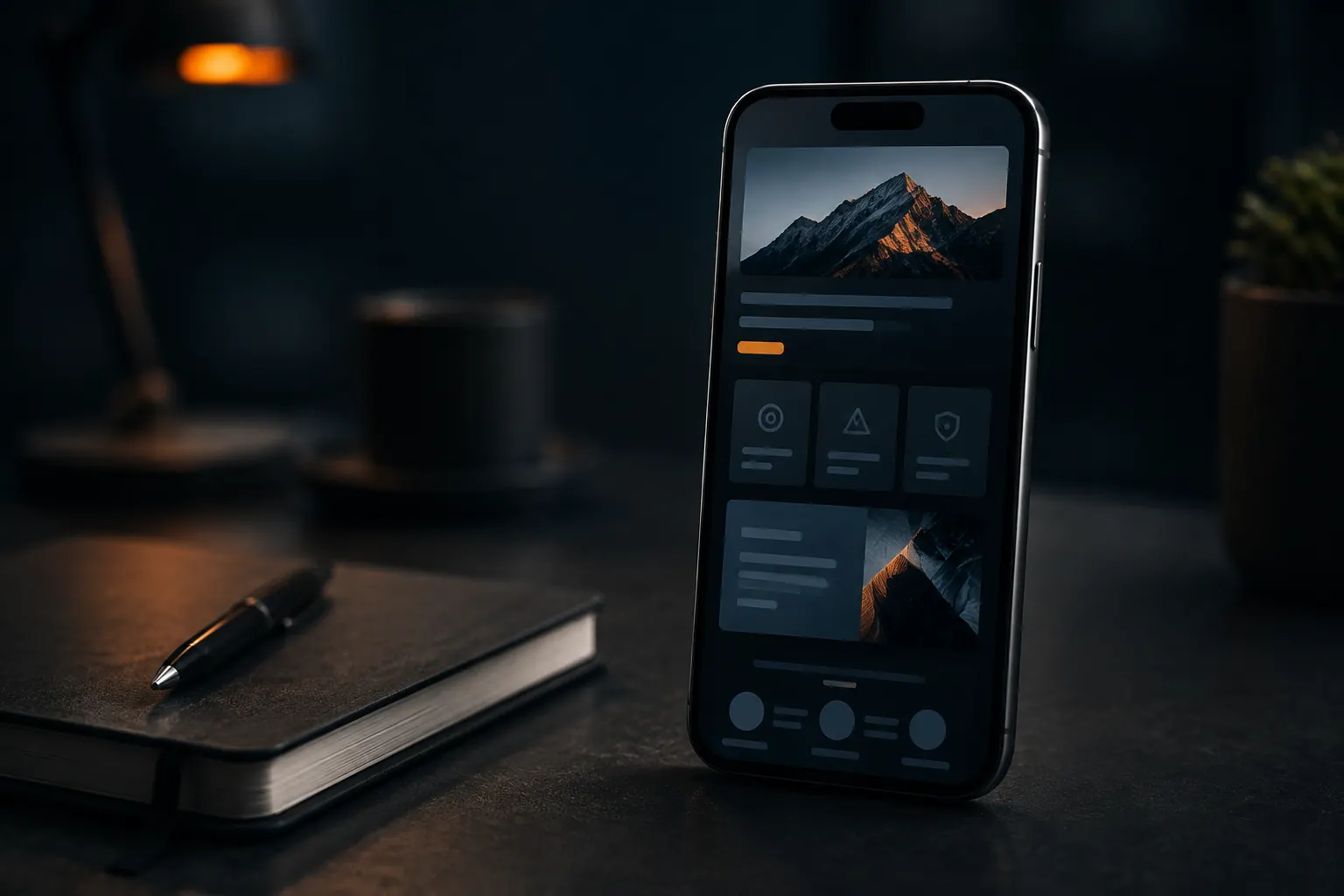
Good work should still feel good on a phone.
Most people meet a business through a small screen, in a hurry, with several other options open. The review considers whether your site retains its atmosphere, clarity and momentum when the space gets smaller.
Make the gap tangible / 03
What could a small hesitation be worth?
Use your own traffic and average client value to model one illustrative 2.4% conversion-friction scenario. It is a planning estimate, not a measurement of your website.

04 / The review
Evidence, not assumptions.
A proper review looks at the public experience and the business context together. It finds the smallest sensible improvement route, rather than producing a list of impressive-sounding problems.
Is this a live technical audit?
No. This calculator is an illustrative planning tool. A proper audit needs access to the site, analytics or a structured review of the public experience.
Why use 2.4%?
It is a consistent scenario, not a universal benchmark. The point is to make the possible commercial impact tangible without claiming to know your actual conversion rate.
What happens next?
We start with the business outcome, the current site and the evidence available, then recommend the smallest sensible improvement route.